
Tipping when traveling internationally can feel confusing. In some countries it’s expected, in others it’s optional, and in a few places it can even be considered rude.
The last thing you want when traveling is an awkward moment after a great meal or amazing tour.
The good news? Once you understand the basics, tipping internationally becomes easy.
In this guide, you’ll learn:
• When tipping is expected
• How much to tip in different regions
• When tipping is not necessary
• Common tipping mistakes travelers make
By the end, you’ll feel confident navigating tipping culture anywhere in the world.
Why Tipping Etiquette Is Different Around the World

Tipping culture varies because wages, hospitality customs, and service expectations differ globally.
In some countries, workers depend on tips as part of their income. In others, service staff are paid higher wages and tips are simply a small gesture of appreciation.
For example:
• In the United States, tipping is expected and often makes up a large portion of income for service workers.
• In parts of Europe, service is usually included in the bill.
• In Japan, tipping can actually be considered disrespectful.
Knowing the local customs helps you avoid over-tipping, under-tipping, or unintentionally offending someone.
Quick International Tipping Guide by Region

Here is a simple breakdown of tipping expectations around the world.
Europe
Tipping in Europe is generally more modest than in the United States.
Typical tipping guidelines:
Restaurants
• Round up the bill or leave 5–10%
Hotel Staff
• Housekeeping: €2–€5 per night
• Bellhop: €1–€2 per bag
Taxis
• Round up the fare
In many European countries, service charges are already included in the bill.
Always check first before adding extra.

Caribbean & Mexico
Tipping is very common throughout the Caribbean and Mexico, especially in tourist areas.
Restaurants
• 10–15% is standard
Hotel Staff
• Housekeeping: $2–$5 per night
• Bellhop: $1–$2 per bag
Tours & Excursions
• $5–$20 depending on length and quality
If you’re staying at an all-inclusive resort, tipping may be included — but small tips are still appreciated.
(For a full breakdown of tipping at resorts, read my All-Inclusive Tipping Guide.)

Asia
Tipping customs vary dramatically across Asia.
Japan
• Do not tip
• Exceptional service is already expected
Thailand
• Round up bills
• Small tips appreciated
China
• Tipping is not traditionally expected but becoming more common in tourist areas
Tour guides and private drivers often expect small tips.

Africa
Tipping is common in many African destinations, particularly on safaris and guided tours.
Safari Guides
• $10–$20 per person per day
Camp Staff
• $5–$10 per day pooled among staff
Restaurants
• 10% if service isn’t included
If you’re taking a guided tour or safari, tipping is often an important part of staff income.
Who You Should Tip When Traveling

Here are the most common service workers travelers tip internationally.
Restaurant Servers
Taxi Drivers
Hotel Housekeeping
Hotel Bellhops
Tour Guides
Drivers on excursions
Spa staff
A good rule of thumb is simple:
If someone provides personalized service, tipping is usually appreciated.
Common Tipping Mistakes Travelers Make
Many travelers accidentally make tipping mistakes simply because customs vary so much.
Here are the most common ones to avoid.
Assuming Every Country Works Like the United States
The biggest mistake travelers make is tipping too much because they assume the U.S. tipping standard applies everywhere.
In many countries, 20% would be considered excessive.
Not Checking If Service Is Included
Many international restaurant bills include a line that says:
• Service Included
• Service Charge
• Gratuity Included
If you see this, additional tipping is usually optional.
Only Tipping at the End of a Hotel Stay
Housekeeping staff often rotate.
It’s better to leave a small tip each day rather than a large tip at the end of your stay.
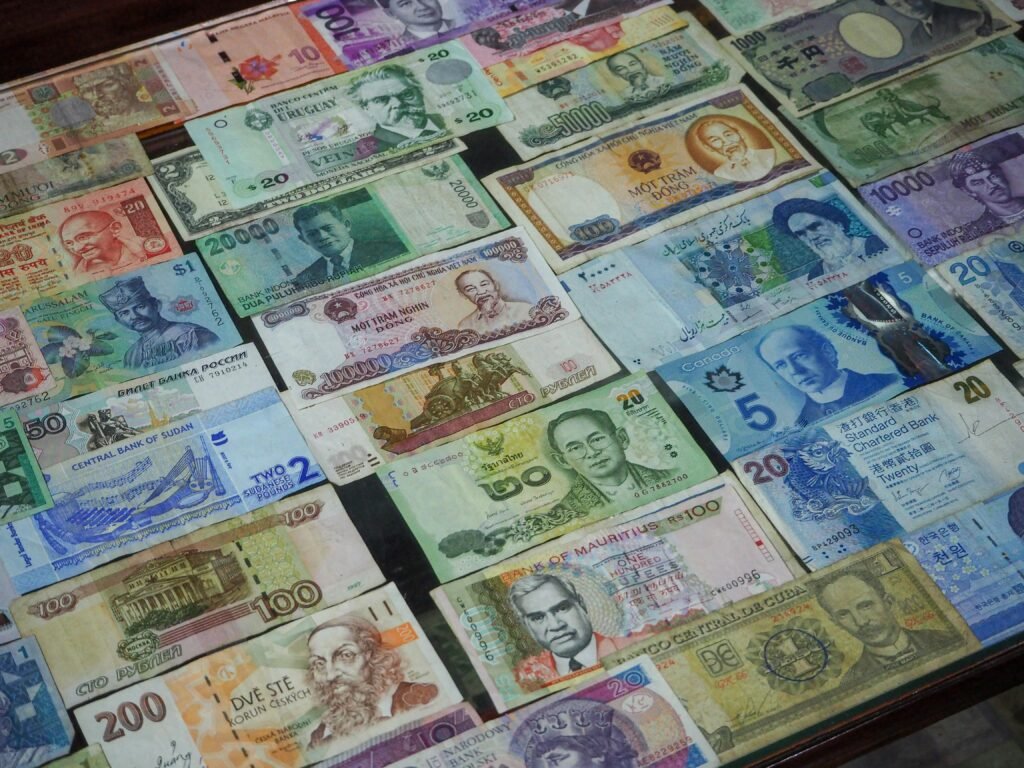
Forgetting to Carry Small Bills
Tipping internationally is much easier when you carry small local currency.
Large bills can make tipping awkward.
Travel Tip: Bring Small Bills
One of the easiest ways to prepare for international tipping is to exchange a small amount of local currency when you arrive.
Small bills make tipping simple for:
• taxis
• bellhops
• hotel staff
• tour guides
Plan Your International Trip With Confidence

Understanding tipping etiquette is just one part of preparing for international travel.
From navigating airports to choosing the best travel insurance and packing smart, having the right travel knowledge makes every trip smoother.
If you’d like help planning your next adventure, I also offer:
• Custom travel itineraries
• Group travel experiences
• International travel planning services
Because travel should feel exciting — not stressful.
Final Thoughts
Tipping internationally doesn’t have to be complicated.
The key things to remember:
• Research local customs
• Carry small bills
• Tip modestly in most countries
• When in doubt, ask your hotel concierge
A little preparation goes a long way toward making your travels smoother and more respectful of local cultures.
And when travelers understand the customs of the places they visit, everyone benefits.