
International travel is exciting.
It is also where small mistakes become expensive ones.
Visa issues. Passport problems. Dead phones. Long customs lines. Missing documents.
This guide covers everything you need to handle before you leave the U.S. so your trip runs smoothly.
Inside this guide:
Passport requirements
Visa updates for 2026
Global Entry vs TSA PreCheck vs CLEAR
Wi-Fi, SIM cards & staying connected
Why debit cards are risky abroad
Why you should print your travel documents
Health & entry considerations
Let’s walk through it step-by-step.
🛂 Passport Requirements (Do Not Skip This Section)
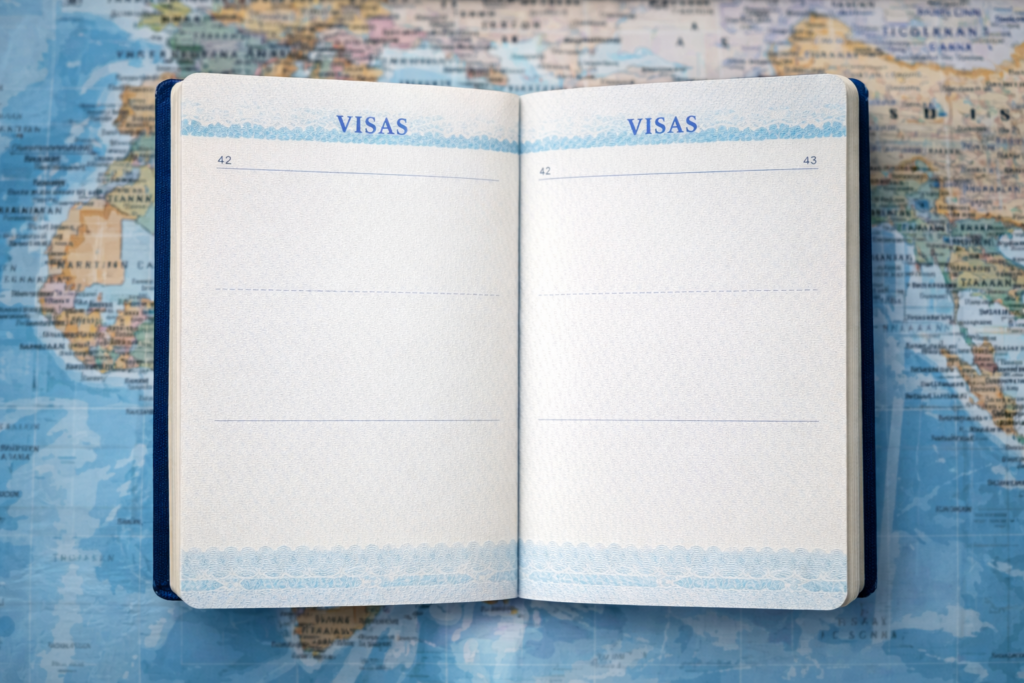
Your passport must meet all of the following:
✔ 6-Month Validity Rule
Many countries require your passport to be valid at least six months beyond your return date.
✔ Blank Visa Pages
You should have 2–4 completely blank pages labeled “Visa.”
Important:
“Blank” means unused visa pages only.
Endorsement pages do not count.
Some airlines may deny boarding without sufficient blank pages.
Countries like South Africa, Namibia, China, and India often require multiple blank pages.
As of 2016, you cannot add extra pages to a U.S. passport. If you run out, you must renew.
Frequent travelers should request a 52-page “large book” passport when renewing.
🌎 Visa Requirements (Major 2026 Updates)
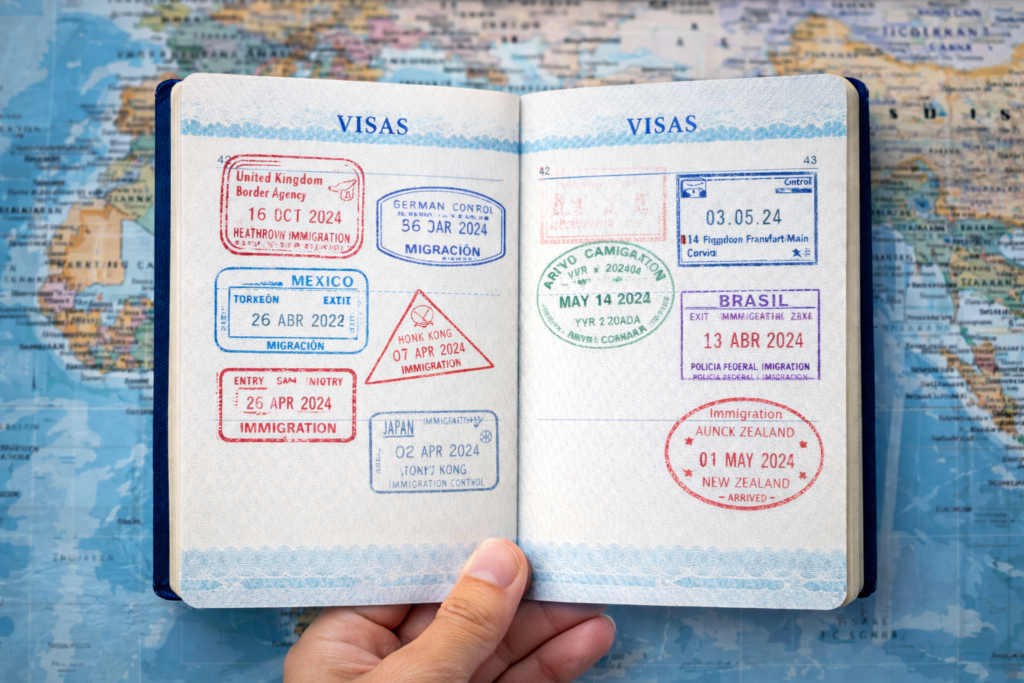
U.S. citizens can travel to roughly 180 countries visa-free or with visa on arrival.
However, new digital systems are changing that.
Europe (Schengen Area)
The European Travel Information and Authorisation System (ETIAS) launches late 2026.
Online application required
€7 fee
Required before boarding
Valid for short stays (90 days within 180 days)
United Kingdom
The UK Electronic Travel Authorisation (ETA) is now required for all U.S. travelers — even for airport transit.
Brazil
An eVisa is now required.
Approx. $80
~5 business days processing
Israel
Part of the Visa Waiver Program (up to 90 days).
Visa Categories
Visa-Free
Visa on Arrival
eVisa
Embassy Visa
Always verify rules using the U.S. Department of State destination tool before booking.
✈️ Global Entry vs TSA PreCheck vs CLEAR
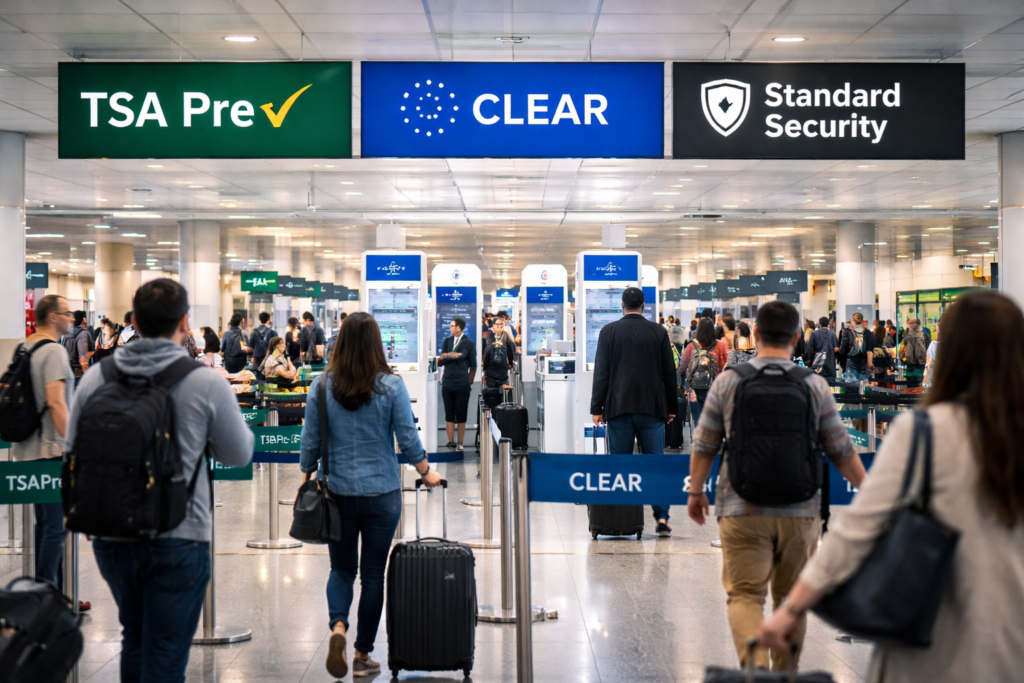
These programs streamline airport experiences in different ways.
TSA PreCheck
Faster domestic security
~$78–$85 (5 years)
Global Entry
Faster U.S. Customs entry
Includes TSA PreCheck
$120 (5 years)
Interview required
Best overall value for international travelers.
CLEAR Plus
Biometric ID line skip
$199 per year
Works alongside the others
If you travel internationally even once every few years, Global Entry is usually worth it.
CLEAR is operated by CLEAR Plus and is optional but powerful at busy airports.
Many premium credit cards reimburse these fees
📶 Wi-Fi, SIM Cards & Staying Connected
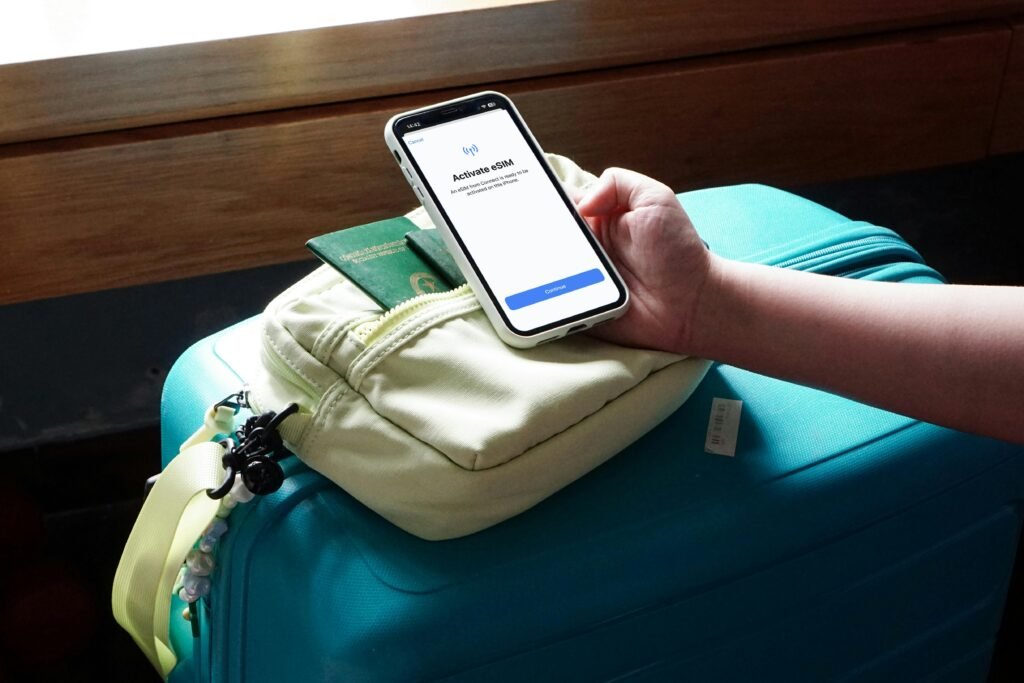
You have three main options:
Physical SIM
Cheapest
Local number
Must have unlocked phone
eSIM
Use providers like:
Airalo
GigSky
No swapping
Easy setup
Data only (usually)
Portable Wi-Fi
Brands like:
GlocalMe
NomadGo
Best for families and multiple devices.
💳 Why You Should NOT Use a Debit Card Abroad
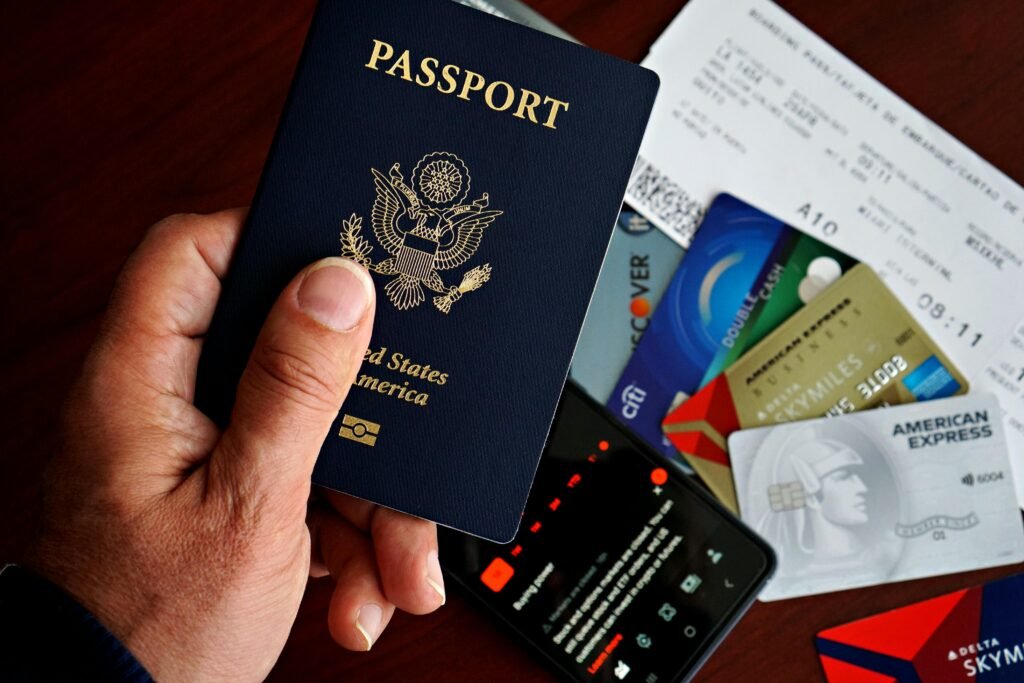
Using a debit card internationally can:
Freeze your actual cash
Drain your checking account
Limit fraud protection
Cause long dispute timelines
Hotels also place large holds that reduce available funds.
Use:
A travel credit card with no foreign transaction fees
A backup card
Debit only for ATM withdrawals if necessary
🖨 Do NOT Rely on Apps Alone
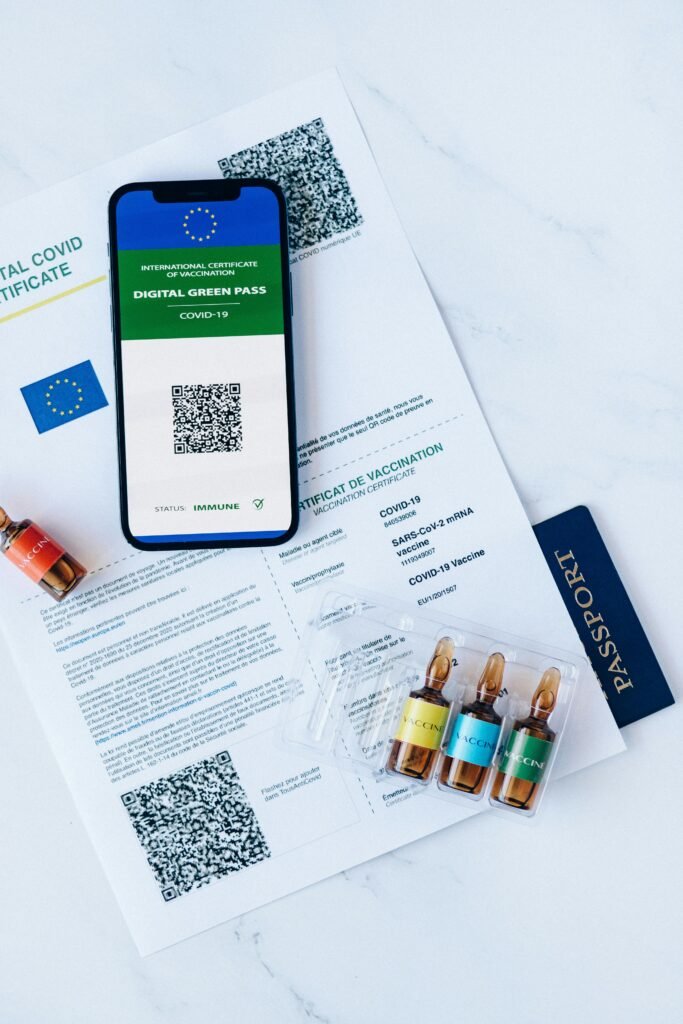
Apps fail.
Phones die.
Wi-Fi disappears.
Always print:
Flights
Hotels
Transfers
Insurance
Visa approvals
Emergency contacts
Paper still matters internationally.
🏥 Health & Entry Requirements
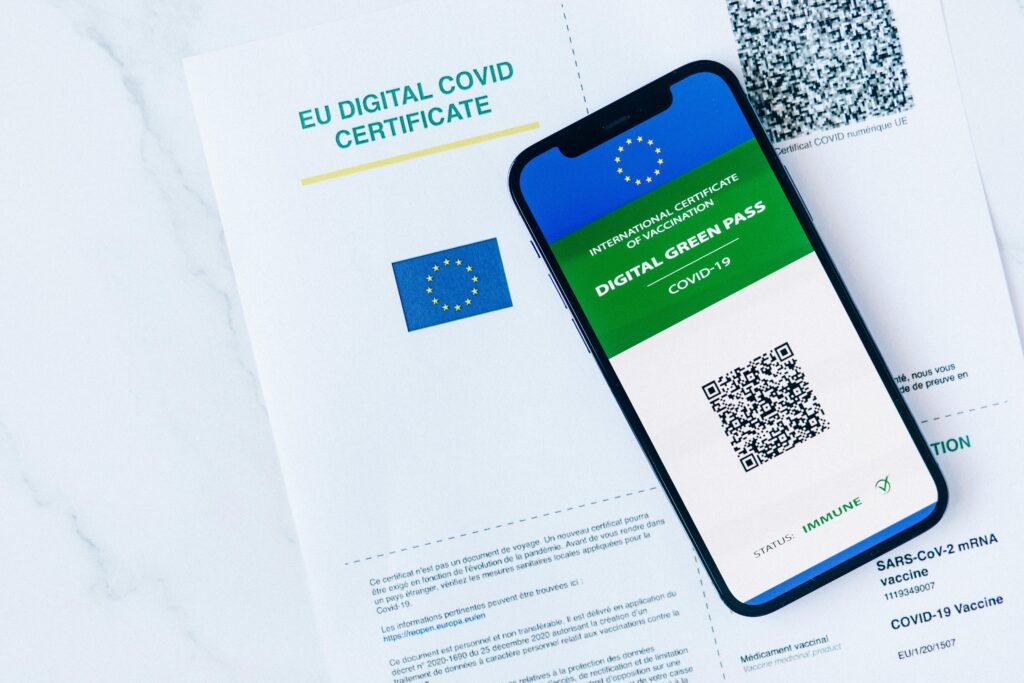
Before departure:
Check vaccination requirements
Confirm entry health forms
Carry proof if required
Consider travel insurance
Register with the Smart Traveler Enrollment Program (STEP) for safety alerts abroad.
Final Thoughts
International travel is not complicated — but it is procedural.
Preparation equals freedom.
Handle the logistics before you leave so you can fully enjoy where you’re going.